Navigating Volatility in Real-Time Pricing for Hybrid Wagers Involving Pitch, Track, and Court Activities
Written by Jonas Keller · Jul 11, 2026
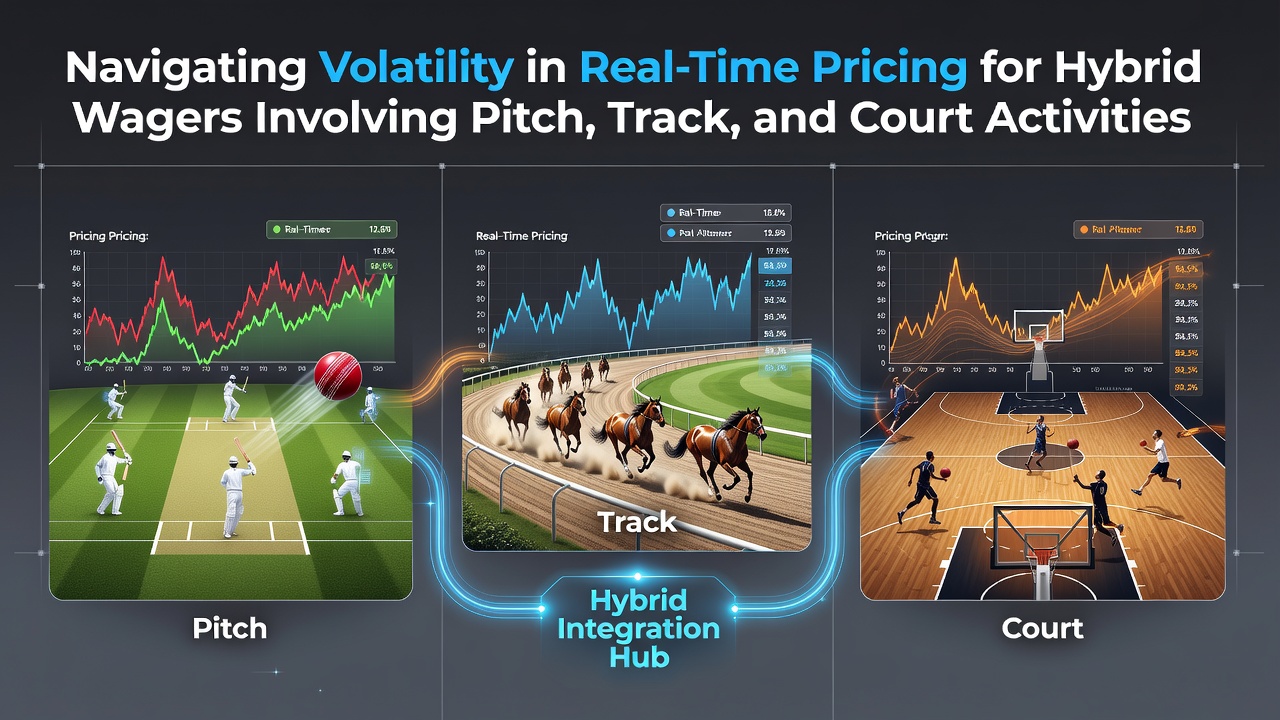
Navigating Volatility in Real-Time Pricing for Hybrid Wagers Involving Pitch, Track, and Court Activities
Market makers adjust prices continuously when bettors combine outcomes from football matches on the pitch, thoroughbred races on the track, and tennis rallies on the court into single hybrid positions, and observers note that these adjustments create distinct volatility patterns compared with single-sport wagers. Data from multiple jurisdictions shows that live updates from each venue reach pricing engines within seconds, which forces bookmakers to recalibrate odds before the next market movement occurs. Researchers tracking these systems in 2025 recorded average price swings of 12 to 18 percent across hybrid lines during peak evening sessions, and those swings widened further when events overlapped in July 2026 schedules.
Mechanics of Cross-Venue Price Updates
Operators maintain separate data feeds for each sport yet merge them into unified risk models when customers build combinations, and analysts at the University of Nevada Reno documented how algorithms weight incoming information from pitch-side goal probabilities, track-side pace figures, and court-side point differentials. When a late goal shifts football probabilities, the model immediately propagates that change into any linked horse or tennis leg even if those events remain static. This propagation occurs because the pricing engine treats the entire ticket as a single exposure rather than isolated bets, which produces rapid recalibrations visible to bettors through live interfaces.
Impact of Simultaneous Event Timing
July 2026 fixtures often placed evening football matches alongside dusk horse meetings and night tennis sessions, creating windows where three venues transmitted data at once, and industry reports from the European Gaming and Betting Association indicate that such overlaps increased quote revisions by roughly 30 percent compared with staggered schedules. Traders respond by widening spreads temporarily while they verify the new inputs, which reduces the window for arbitrageurs who scan for mispriced hybrids. Those who monitor these spreads observe that the widest gaps appear in the first 90 seconds after a major score change because verification protocols require multiple confirmations before finalizing the updated line.
Data Sources and Algorithmic Weighting
Pricing teams assign different confidence levels to each sport's real-time statistics, and figures released by the Australian Institute of Sport reveal that tennis point-by-point data receives higher weighting during live play than early horse race pace data because court outcomes resolve faster. Football possession metrics sit between the two, which means a sudden shift in a tennis match can override slower-updating track information within the same hybrid ticket. Market participants who review these weighting tables find that small changes in one leg's probability can trigger outsized movements in the overall quote when the algorithm treats that leg as the dominant driver.
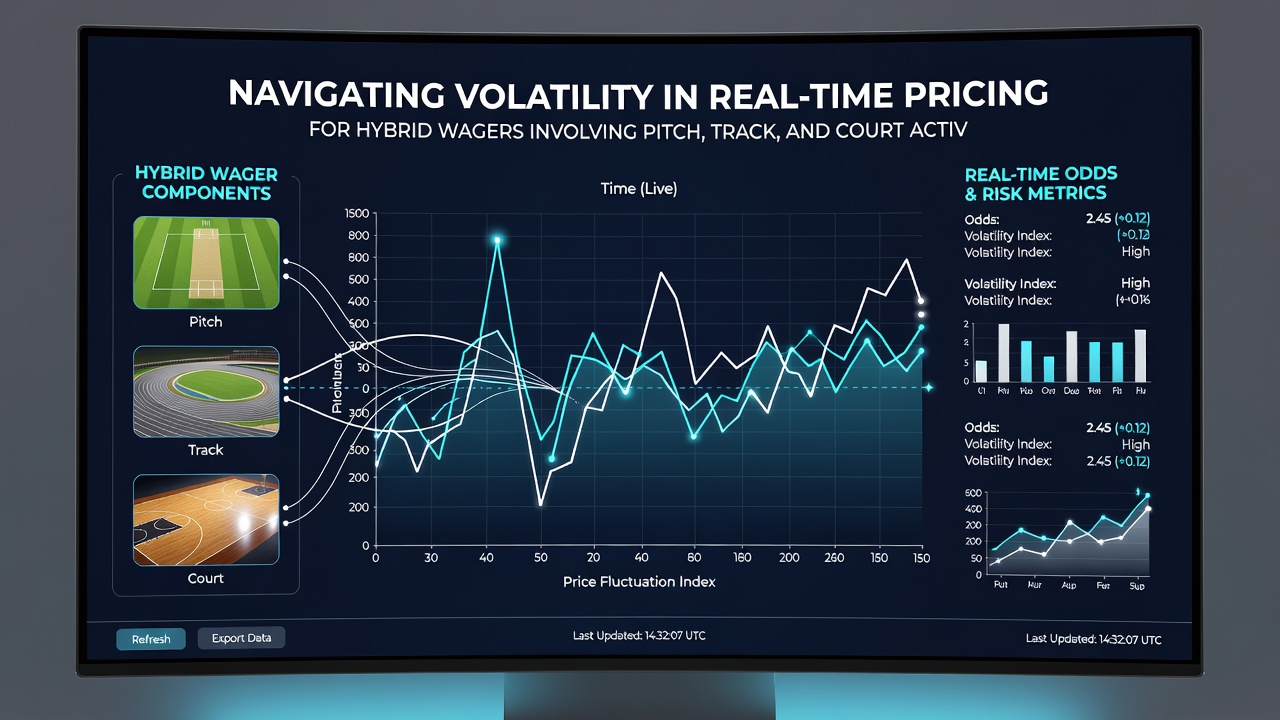
Third-party data vendors supply the raw inputs, yet each operator applies proprietary filters before feeding numbers into the central engine, and studies published by the International Betting Integrity Association show that filter differences account for up to 8 percent of observed price variance across competing platforms. When one platform's filter accepts a contested line call in tennis while another's rejects it, the resulting hybrid price can diverge sharply even though the underlying events remain identical. Bettors who compare multiple sites during these moments record the discrepancies in spreadsheets that later feed academic analyses of market efficiency.
Risk Management During High-Volatility Windows
Bookmakers activate automated exposure caps once volatility metrics exceed preset thresholds, and records from North American regulatory filings demonstrate that these caps activate most frequently during overlapping grand-slam sessions and major racing festivals. When caps engage, the system either suspends new hybrid tickets or routes them to manual review desks where traders decide whether to accept, decline, or reprice the combination. Observers tracking these interventions note that manual reviews typically last between 45 and 90 seconds, during which quoted prices remain frozen for new customers but existing positions continue to reflect the pre-review odds.
Communication protocols between trading teams and data providers include escalation paths that activate when three or more venues report anomalies within the same minute, and case studies compiled by Canadian gaming researchers illustrate how these escalations prevented larger pricing errors during the 2026 Wimbledon and Royal Ascot overlap. The protocols require verification from at least two independent sources before any revised probability enters the live engine, which adds a brief lag that dampens extreme swings yet still allows meaningful movement within the broader market.
Conclusion
Real-time pricing engines for hybrid wagers must reconcile inputs from pitch, track, and court venues that operate on different clocks and data cadences, and the resulting volatility reflects both the speed of those inputs and the weighting schemes operators apply. Regulatory filings and academic studies continue to document how overlapping schedules, algorithmic filters, and risk caps shape the visible price movements that customers encounter. Those patterns remain consistent across jurisdictions because the underlying data flows and verification steps follow similar technical architectures regardless of local licensing frameworks.