Synchronizing Data Feeds Across Equine Tracks, Tennis Courts, and Soccer Pitches via Integrated Comparison Systems
Written by Jonas Keller · Jul 7, 2026
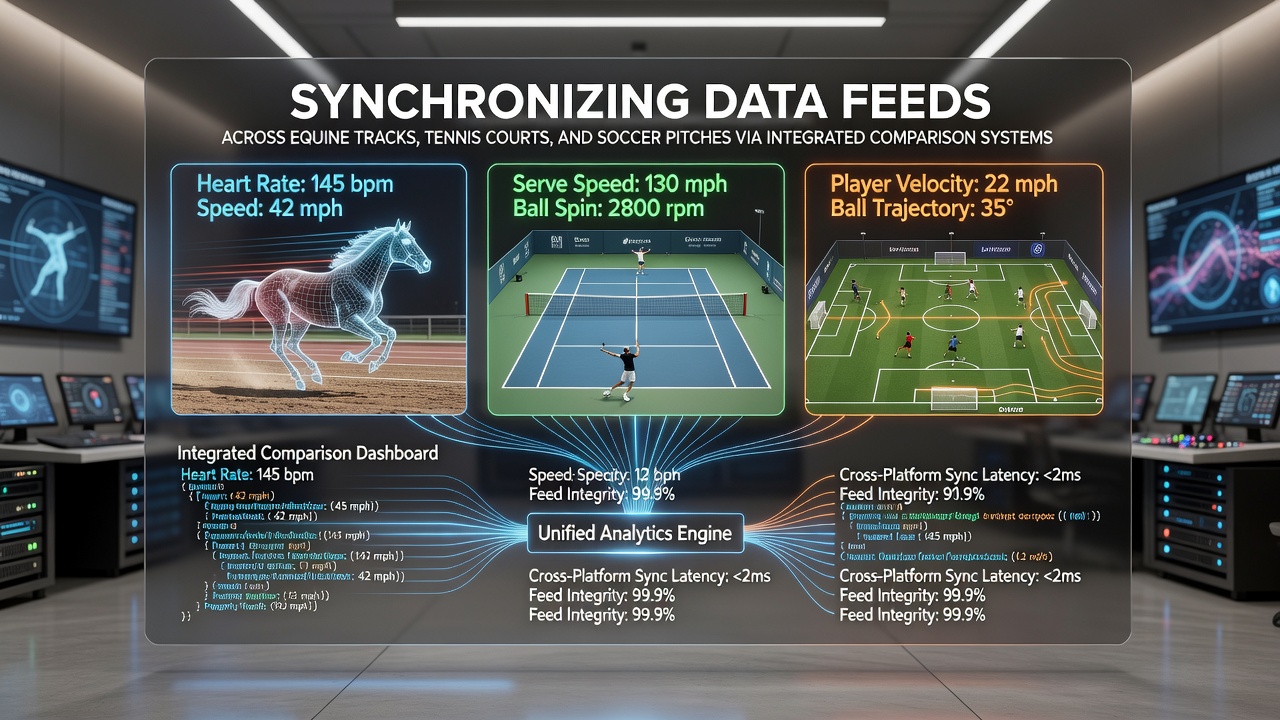
Synchronizing Data Feeds Across Equine Tracks, Tennis Courts, and Soccer Pitches via Integrated Comparison Systems
Modern sports venues generate vast streams of information from timing systems, player tracking sensors, and environmental monitors, which creates a need for unified platforms that align these inputs across disciplines as distinct as horse racing, tennis, and soccer. Integrated comparison systems address this by pulling raw data from multiple sources and aligning timestamps, formats, and units so that analysts can review events side by side without manual reconciliation. Researchers at institutions such as the Australian Sports Commission have documented how standardized data protocols reduce latency when feeds from turf surfaces, hard courts, and grass pitches converge in a single dashboard.
Core Components of Cross-Venue Data Alignment
Equine tracks rely on RFID chips embedded in saddles alongside high-speed cameras that capture stride length and finish-line crossings, while tennis courts deploy ball-tracking cameras and court-side accelerometers that log serve speeds and bounce angles. Soccer pitches use GPS-enabled vests on players together with goal-line technology that records ball trajectory at millisecond intervals. An integrated comparison system ingests these heterogeneous signals through application programming interfaces that normalize every measurement to a shared coordinate framework and clock reference. Observers note that such normalization allows a single query to retrieve a horse's sectional time, a tennis player's rally duration, and a soccer team's possession sequence within the same analytical window.
Technical Architecture Supporting Real-Time Feeds
Central servers host message queues that buffer incoming packets from venue-specific gateways, then route them to comparison engines that apply rule-based matching algorithms. These engines scan for overlapping time windows and flag discrepancies exceeding predefined thresholds before committing records to a time-series database. In July 2026 several European tournament organizers adopted an updated version of the Open Sports Data Exchange specification, which added mandatory fields for wind speed and surface temperature so that comparisons between outdoor equine events and indoor tennis matches could account for environmental variables. The architecture also incorporates edge computing nodes at each venue that pre-process raw sensor output, thereby cutting the volume of data transmitted over wide-area networks by roughly 40 percent according to figures released by Canadian sports technology consortia.
Case Examples from Multi-Sport Events
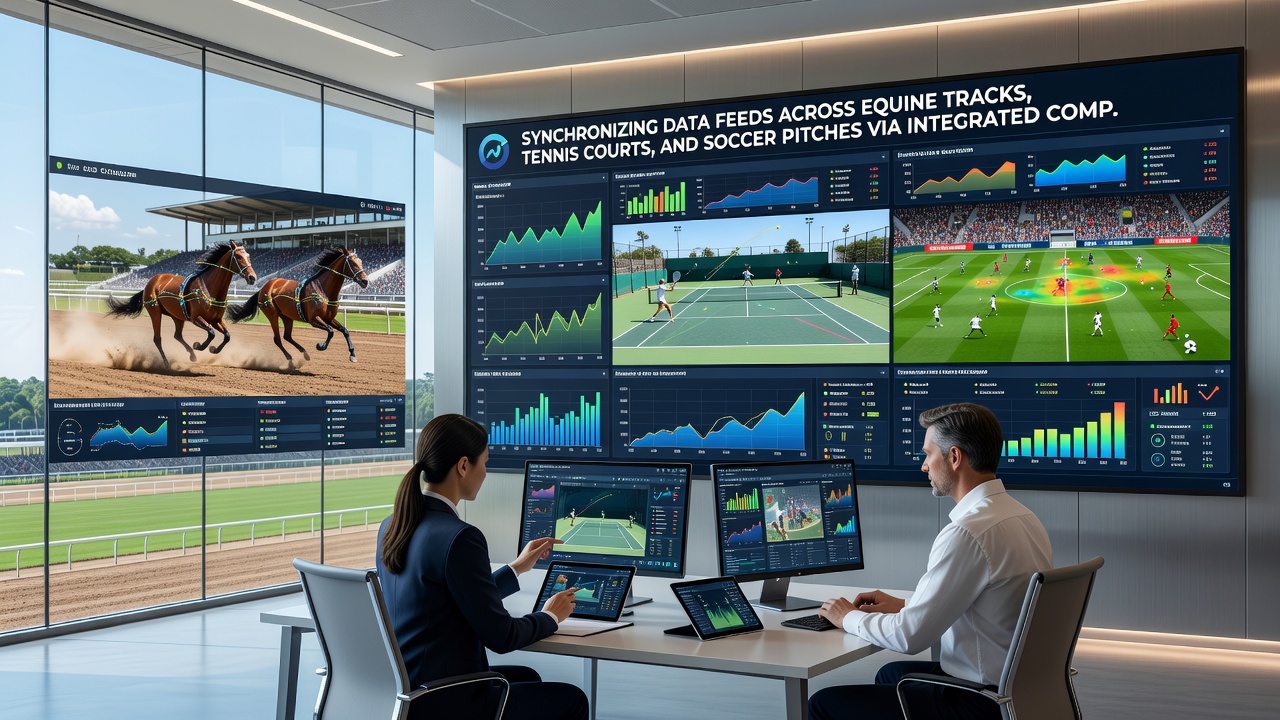
One multi-venue complex in Australia routes data from its racetrack, adjacent tennis center, and soccer stadium through a single comparison portal that displays live metrics for visiting coaches and medical staff. When a horse race concludes, the system automatically cross-references the winning margin against recent tennis set durations and soccer goal-scoring intervals that occurred within the same hour, enabling staff to identify patterns in athlete recovery windows. A similar installation at a North American facility combines equine heart-rate telemetry with tennis match-point statistics and soccer substitution logs, revealing correlations between cardiovascular load and subsequent performance decrements that had previously required separate analysis teams to uncover.
Standards and Protocols Driving Adoption
Industry groups have published guidelines that specify how metadata tags must accompany each data packet so downstream applications can verify provenance and accuracy. The International Federation of Sports Data Standards, for instance, requires that every feed carry a venue identifier, sensor calibration timestamp, and quality score derived from redundant measurement sources. Compliance with these rules allows comparison systems to merge a steeplechase water-jump clearance recorded at 14:32:17.342 with a tennis tie-break point that ended at the same instant, without introducing alignment errors. Data from the Sports Data Standards Consortium indicates that venues adopting the full protocol suite experienced a 25 percent reduction in post-event reporting time during the 2025-2026 season.
Operational Workflows in July 2026
Venue operators begin each day by running automated handshake routines that confirm connectivity with every sensor array, after which comparison engines enter a monitoring state that continuously evaluates feed integrity. When anomalies surface, such as a dropped GPS packet from a soccer pitch or a miscalibrated photocell on an equine track, the system generates alerts that route to on-site technicians while preserving the remaining synchronized records for immediate use. Tournament directors in July 2026 increasingly rely on these alerts to adjust broadcast graphics in real time, ensuring that on-screen overlays reflect only validated data from all three sports simultaneously.
Conclusion
Integrated comparison systems have become essential infrastructure wherever equine tracks, tennis courts, and soccer pitches operate within shared data ecosystems. By enforcing common timestamping, metadata standards, and quality controls, these platforms enable accurate cross-sport analysis without requiring manual intervention at every step. As venues continue to expand sensor networks through 2026 and beyond, the same synchronization principles that align a single afternoon of racing, matches, and matches will support larger multi-event calendars that span continents and time zones.