Weather-driven pricing shifts in outdoor athletic markets: data tools for multi-discipline selections
Written by Jonas Keller · Aug 20, 2026

Weather-driven pricing shifts in outdoor athletic markets: data tools for multi-discipline selections
Weather patterns exert measurable influence on pricing structures across outdoor athletic markets, where factors such as temperature, precipitation, and wind speed alter event probabilities and prompt rapid adjustments in odds offered by bookmakers. Data collection systems now integrate meteorological forecasts with historical performance records, creating models that track how conditions reshape outcomes in disciplines including tennis, horse racing, and football. Observers note that these integrations allow for cross-discipline analysis, where a single weather event can trigger simultaneous repricing across multiple event types.
Core Mechanisms Behind Weather Pricing Adjustments
Atmospheric variables affect playing surfaces and athlete performance in distinct ways, so temperature spikes above 30 degrees Celsius correlate with reduced serve speeds in tennis while heavy rainfall increases slip risk on turf courses during horse races. Bookmakers apply algorithmic updates that factor in these variables, drawing from real-time feeds provided by national meteorological services. According to data compiled by the European Centre for Medium-Range Weather Forecasts, forecast accuracy improvements since 2023 have shortened the lag between weather observation and odds revision to under fifteen minutes in many markets. Those who monitor multiple disciplines simultaneously discover that wind gusts above 25 kilometers per hour often depress scoring rates in football matches while accelerating times in sprint events on exposed tracks.
Multi-Discipline Selection Tools and Their Data Inputs
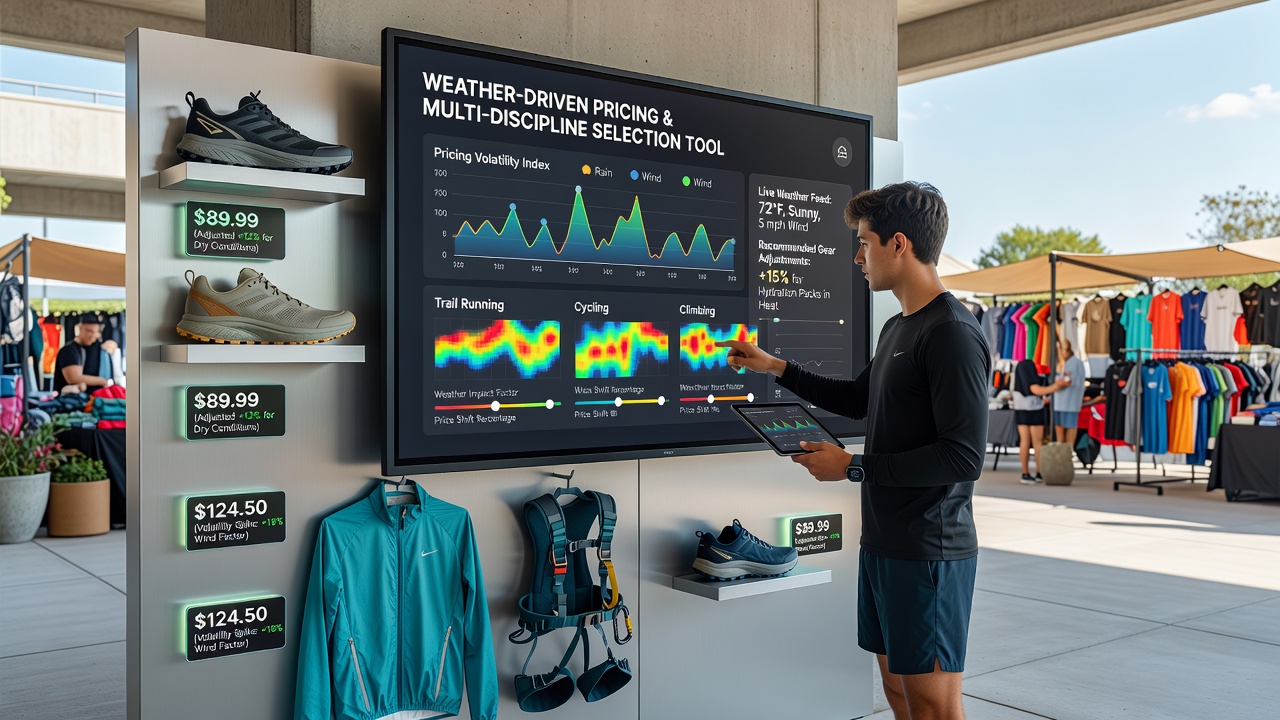
Specialized platforms aggregate weather layers with performance databases to support selections across tennis, horse racing, and football events. These systems pull precipitation probability grids, humidity readings, and barometric pressure trends, then overlay them onto venue-specific historical datasets. Researchers at the Australian Bureau of Meteorology have documented how such combined datasets improve prediction reliability for outdoor events by 18 to 22 percent when compared with models that ignore meteorological inputs. Analysts use these tools to identify pricing discrepancies that emerge when similar weather conditions produce divergent effects across surfaces, for instance when rain softens grass courts yet firms up dirt tracks depending on drainage infrastructure.
August 2026 Event Context
During August 2026, extended heatwaves across southern Europe prompted widespread repricing in both tennis and football fixtures scheduled at open-air venues. Models that incorporated soil moisture data alongside air temperature forecasts identified earlier than average court hardening at several Grand Slam warm-up tournaments, which in turn shifted expected rally lengths and influenced accumulator structures. Parallel adjustments appeared in horse racing markets at tracks where high temperatures reduced field sizes because trainers scratched runners sensitive to heat stress. The convergence of these shifts created opportunities for tools that scan across disciplines rather than isolating single sports.
Case Examples from Recent Outdoor Markets
One documented instance involved a mid-August football match played under sudden thunderstorm conditions, where lightning delays extended into the second half and altered in-play pricing mid-event. At the same time, nearby tennis tournaments experienced postponed sets that compressed schedules and affected next-day recovery odds for players. Platforms equipped with synchronized weather and scheduling APIs captured these overlaps, allowing users to adjust multi-leg selections before bookmakers fully recalibrated. Data from the National Oceanic and Atmospheric Administration shows that storm frequency in temperate zones during late summer months has increased by 12 percent over the past decade, a trend that continues to compress decision windows for those building cross-discipline portfolios.
Integration Challenges and Emerging Standards
Compatibility between weather datasets and odds feeds remains inconsistent across providers, particularly when venues lack standardized sensor placements for ground temperature or wind direction. Industry groups such as the Sports Analytics Research Association have begun publishing guidelines that recommend minimum update frequencies of every ten minutes during active play. Those who have tested unified dashboards report that combining European model outputs with North American radar data reduces blind spots in transcontinental event coverage. Yet gaps persist when localized microclimates, such as stadium-specific wind tunnels, fall outside the resolution of publicly available forecasts.
Conclusion
Weather continues to function as a primary driver of pricing volatility in outdoor athletic markets, with data tools evolving to connect meteorological signals directly to multi-discipline selection frameworks. Integration of forecast layers with historical performance metrics has become standard practice for those tracking simultaneous movements across tennis, horse racing, and football events. As sensor networks expand and update intervals shorten, the capacity to anticipate repricing events grows correspondingly, provided that data standards keep pace with the increasing complexity of cross-sport analysis.